How long does it take to hang a door?
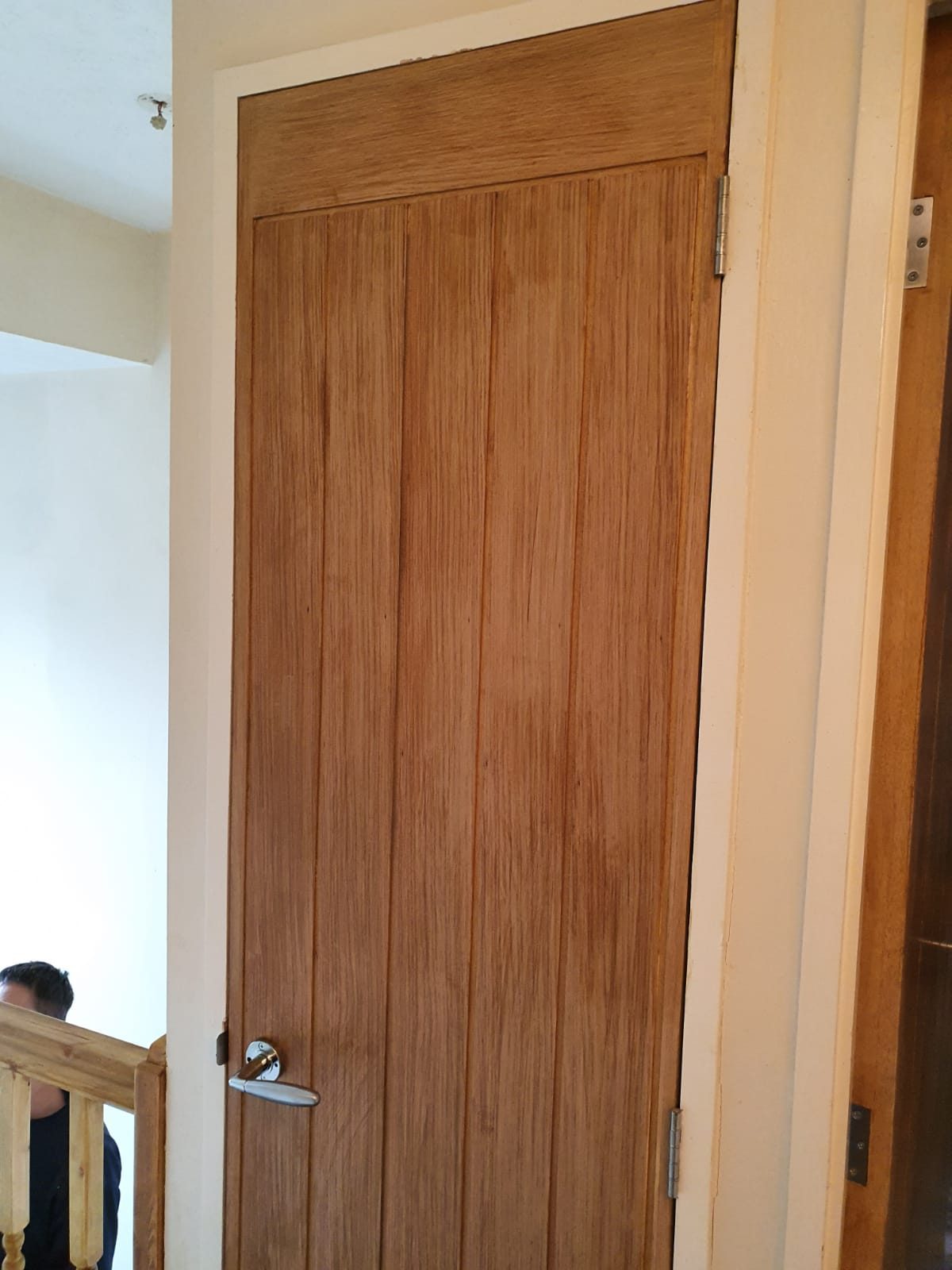
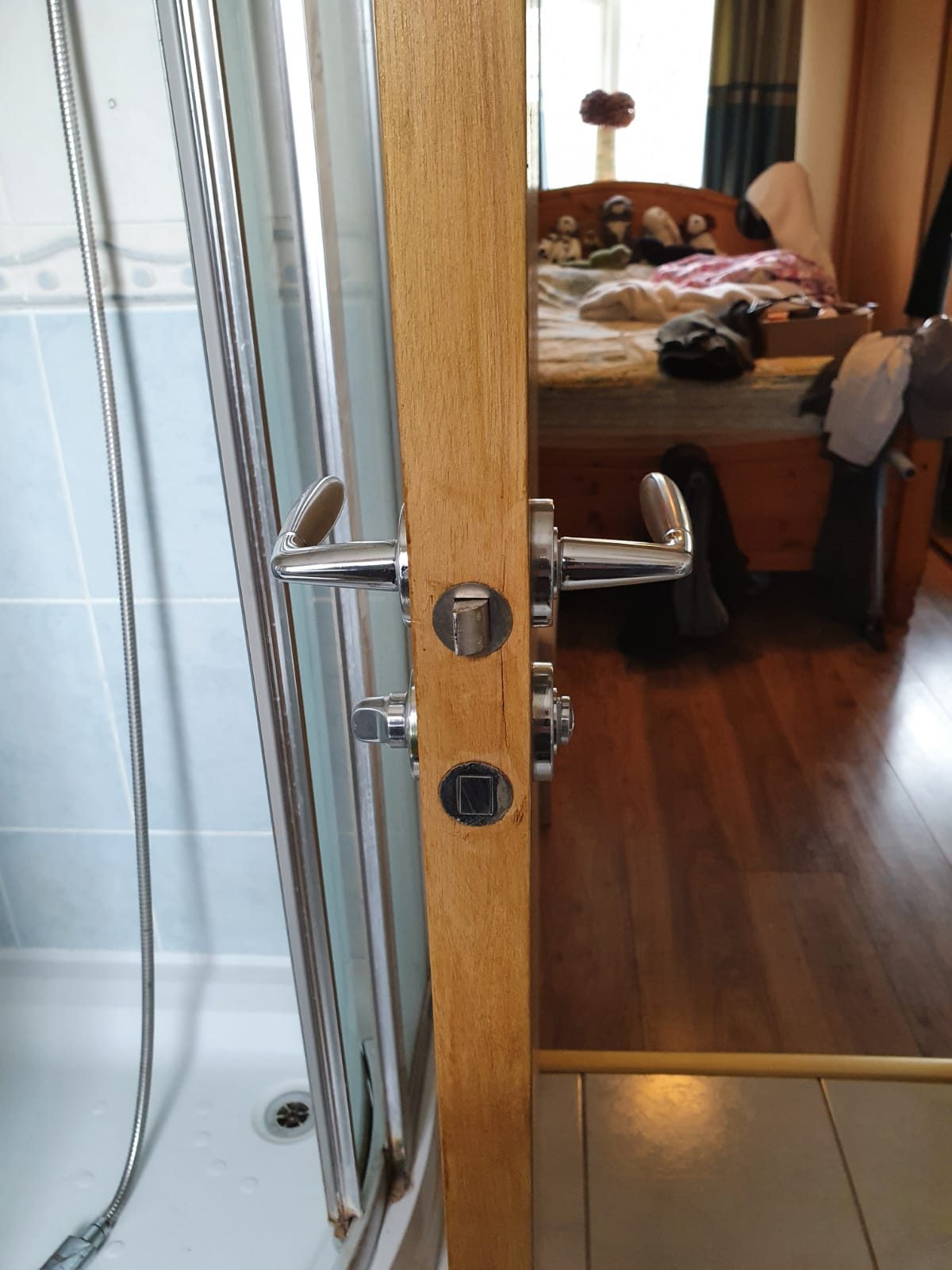
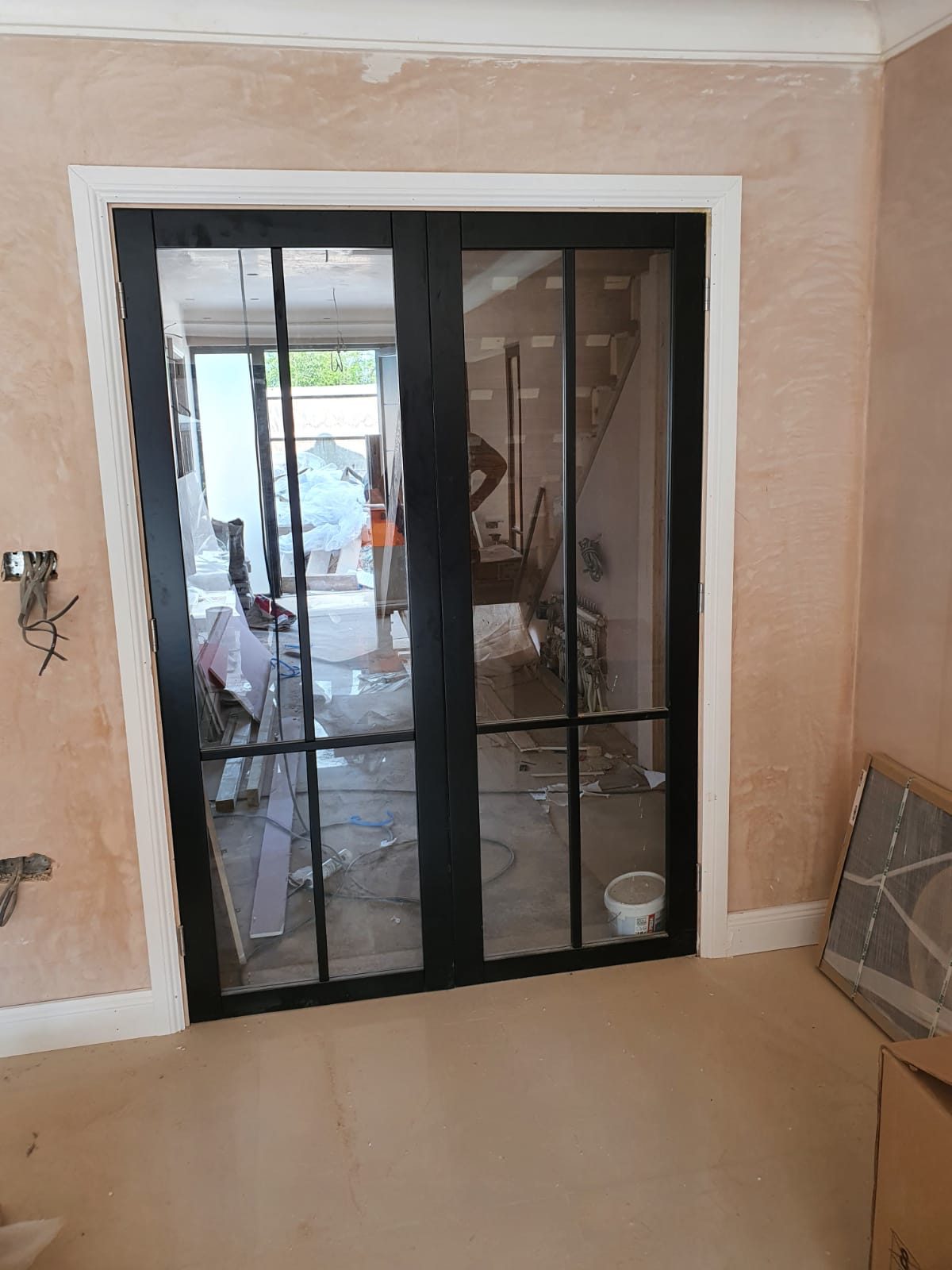
A straightforward door into an existing lining, hung and with the ironmongery on, is generally an hour or two. A set of doors through a house is usually a day or two depending on how square the linings are and whether the openings have moved over the years. Where the lining itself has to come out or be reworked, the time goes up, and it is worth us looking before you buy the doors.
Can you fit doors we have already bought?
Yes, and plenty of jobs come that way. What is worth checking before you order is the size, the thickness and whether the door is suitable for the opening, because oversized doors can be trimmed only so far and fire doors must not be trimmed beyond the manufacturer's limit. Send us the sizes and we will sanity check the order.
Do you lay parquet flooring?
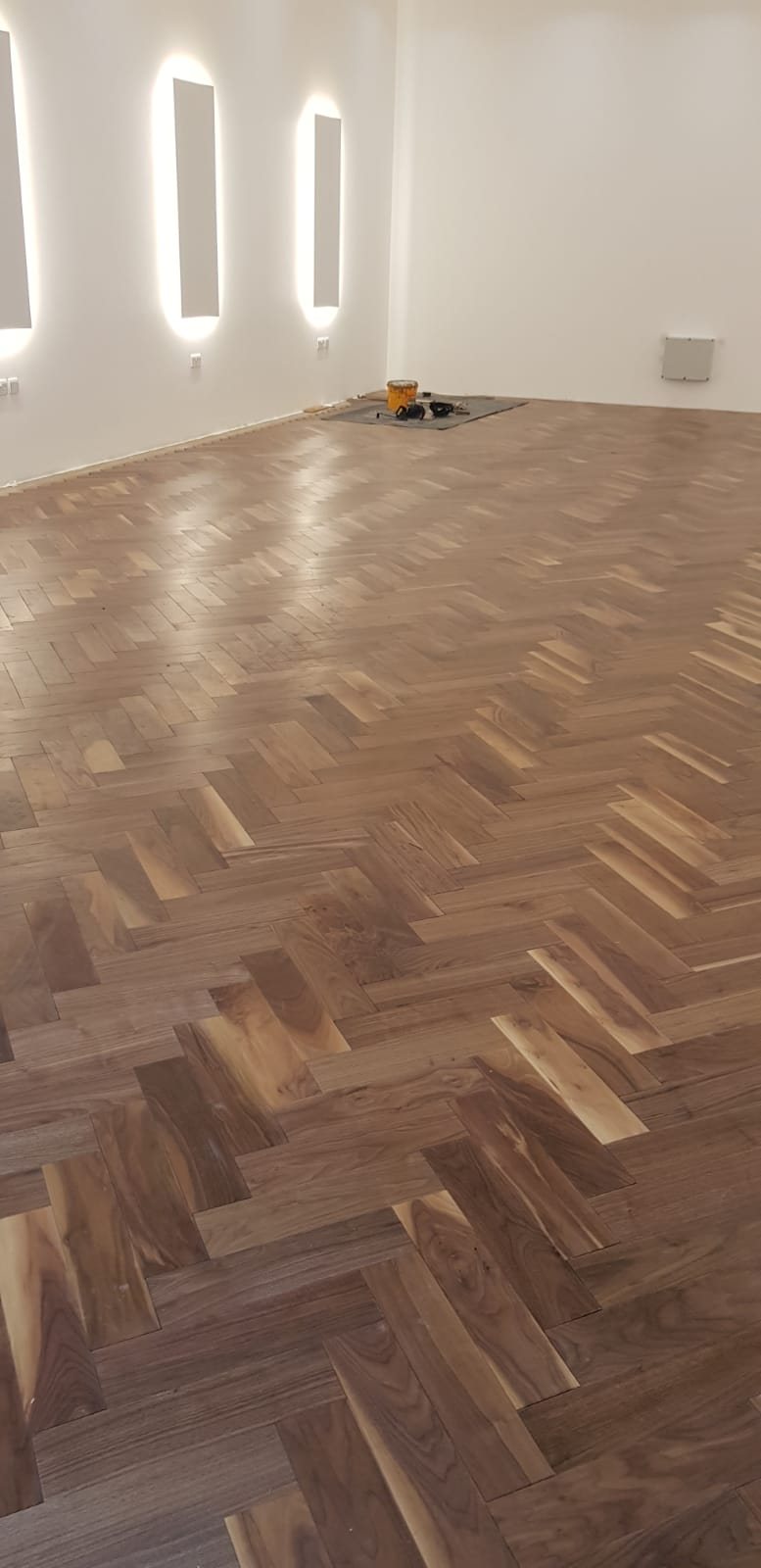
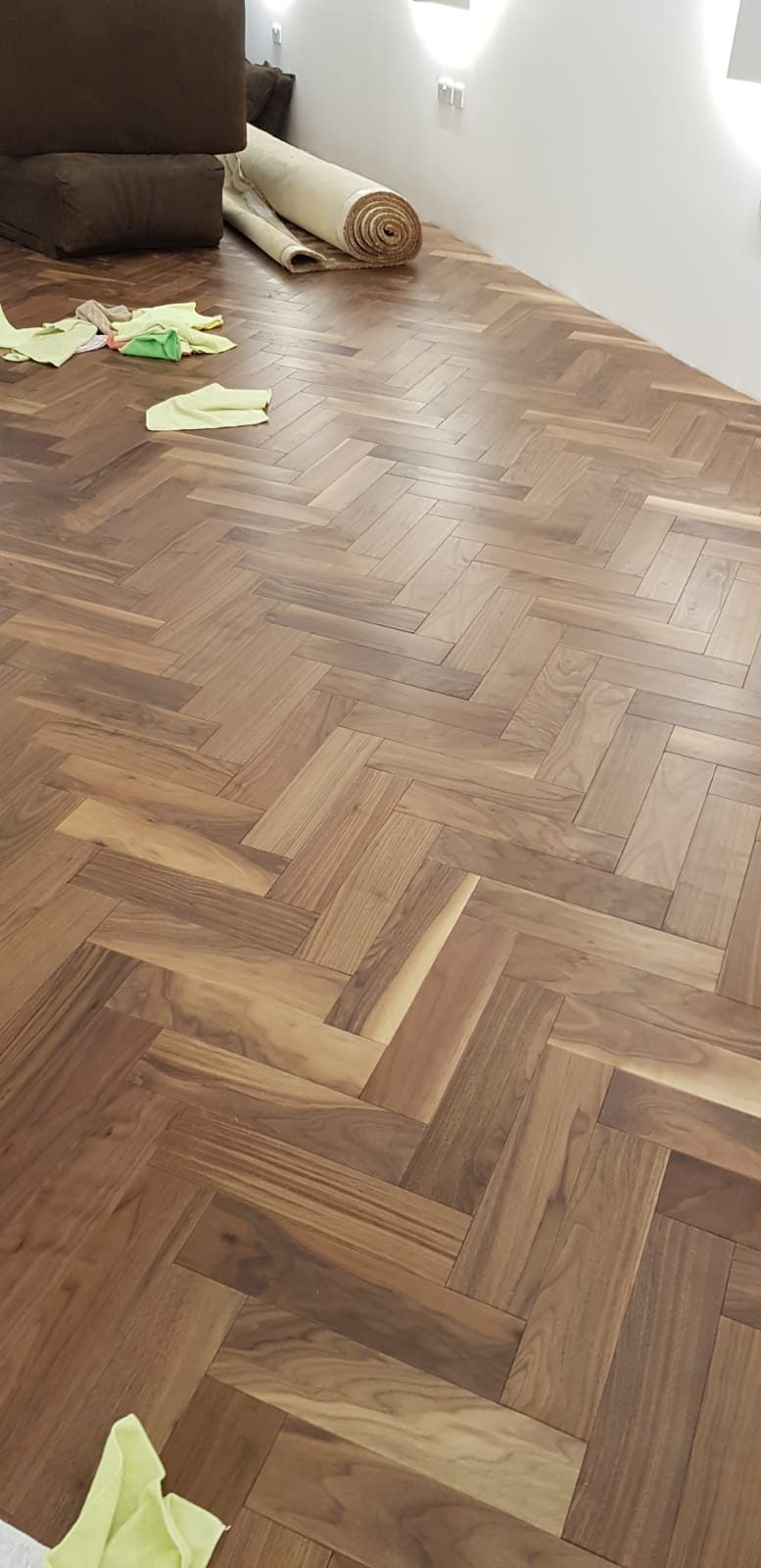
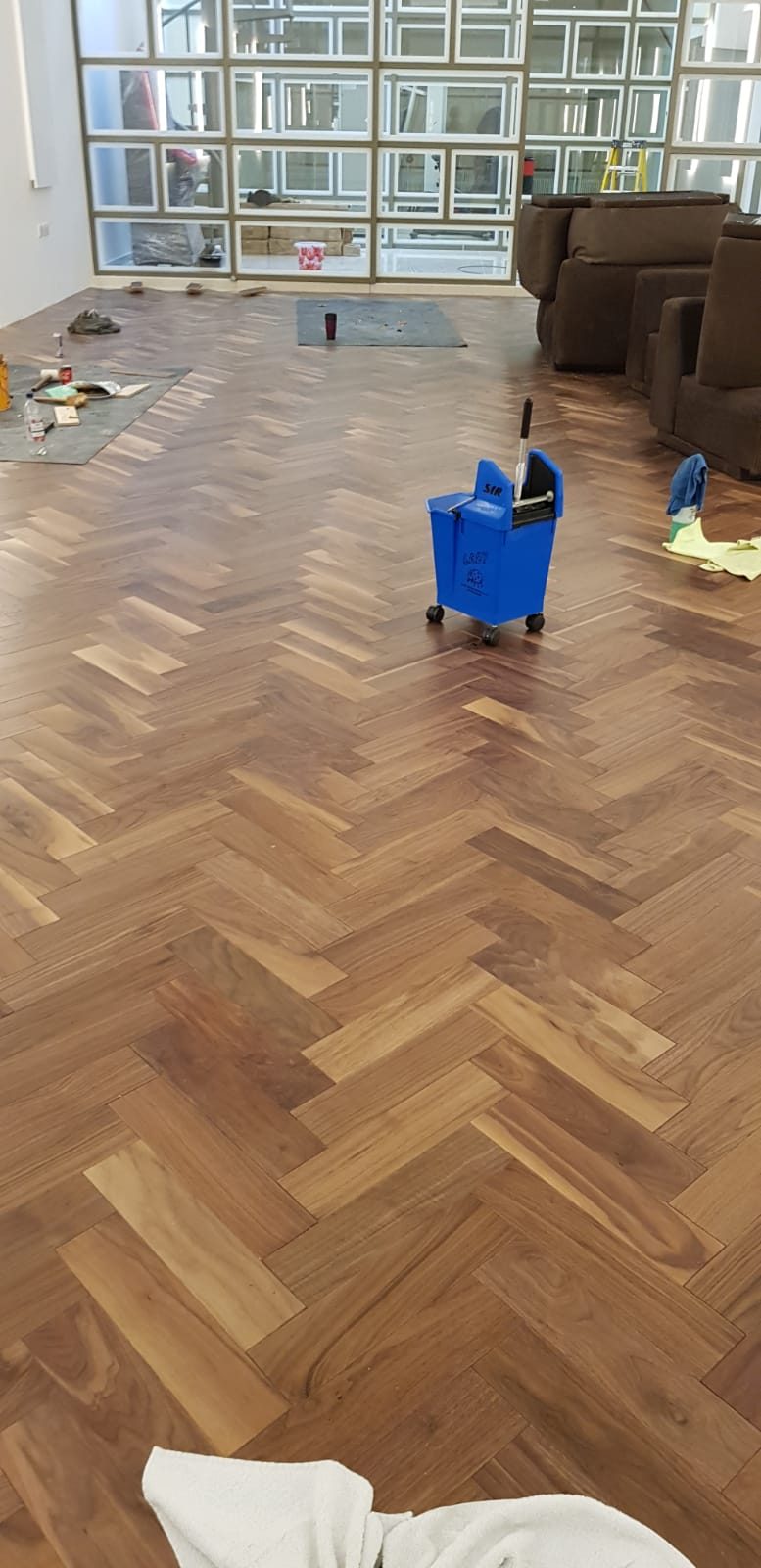
Yes, both solid block parquet and engineered herringbone. Parquet lives or dies on the subfloor and the set out. The floor has to be flat, dry and clean, the pattern is set out from the centre lines so the borders come out even at both walls, and it needs to be left to acclimatise in the room before it goes down. Rushing any of those three is how you end up with lifting blocks.
What is the difference between first and second fix?
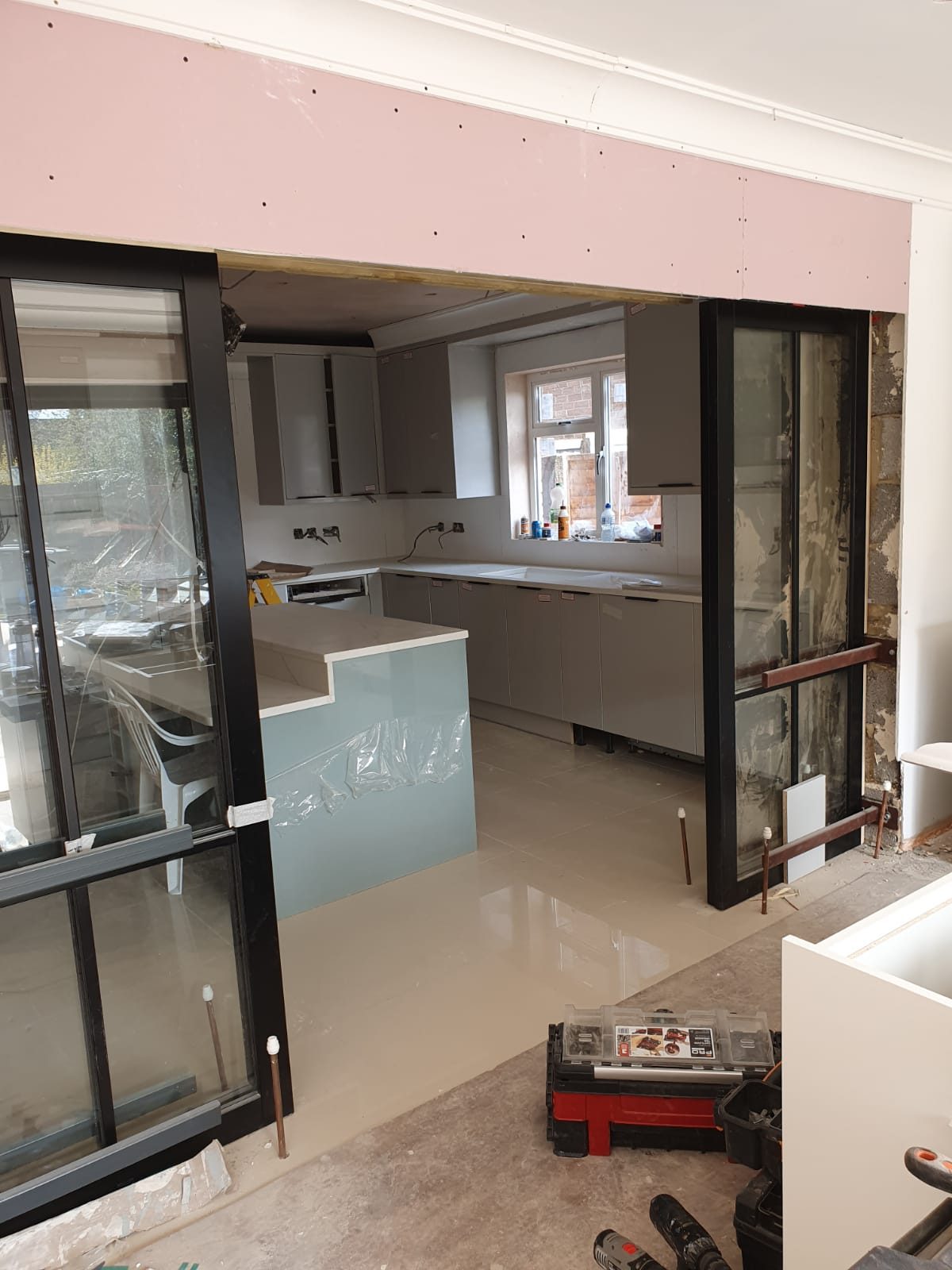
First fix is everything that goes in before the walls are plastered: studwork, joists, door linings, noggins and boxing. Second fix is everything after: doors hung, skirting and architrave on, handles, coving, window boards and the finishing details. We do both, and they are separate visits, because second fix cannot start until the plastering is dry and the decorating is at the right stage.
Can you match existing skirting and architrave?
Usually. Most common profiles can be matched from stock, and where a house has an unusual Victorian or Edwardian profile it can often be run to match. In a period property it is worth doing, because a modern profile running into an original one in the same hallway is the sort of thing that quietly makes a room look wrong. We will bring samples before anything is ordered.
Do you fit coving?
Yes. Coving and cornice fitted, mitred at the corners and made good ready for decoration. Older ceilings are rarely flat and walls are rarely straight, so a good coving job is mostly about how the joints and the scribes are dealt with along the way rather than about the length of cove itself.