Composite or timber decking, which is better?
It depends on what you want to do with it after it is built. Composite costs more up front, does not need oiling or staining, will not splinter and holds its colour after the first season settles. Timber costs less, looks warmer and needs cleaning and oiling most years to stay looking good. If a deck is going to be neglected, composite is the honest answer. If you enjoy looking after it, timber is lovely.
Does a deck need planning permission?
Usually not. A deck under 300mm high that does not cover more than half the garden generally falls under permitted development for a normal house. Raised decks, decks in a conservation area and decks on a listed building or a flat are where it needs checking, and so does anything that overlooks a neighbour from height. We will flag it if your job looks like one of those rather than finding out afterwards.
How long does decking last?
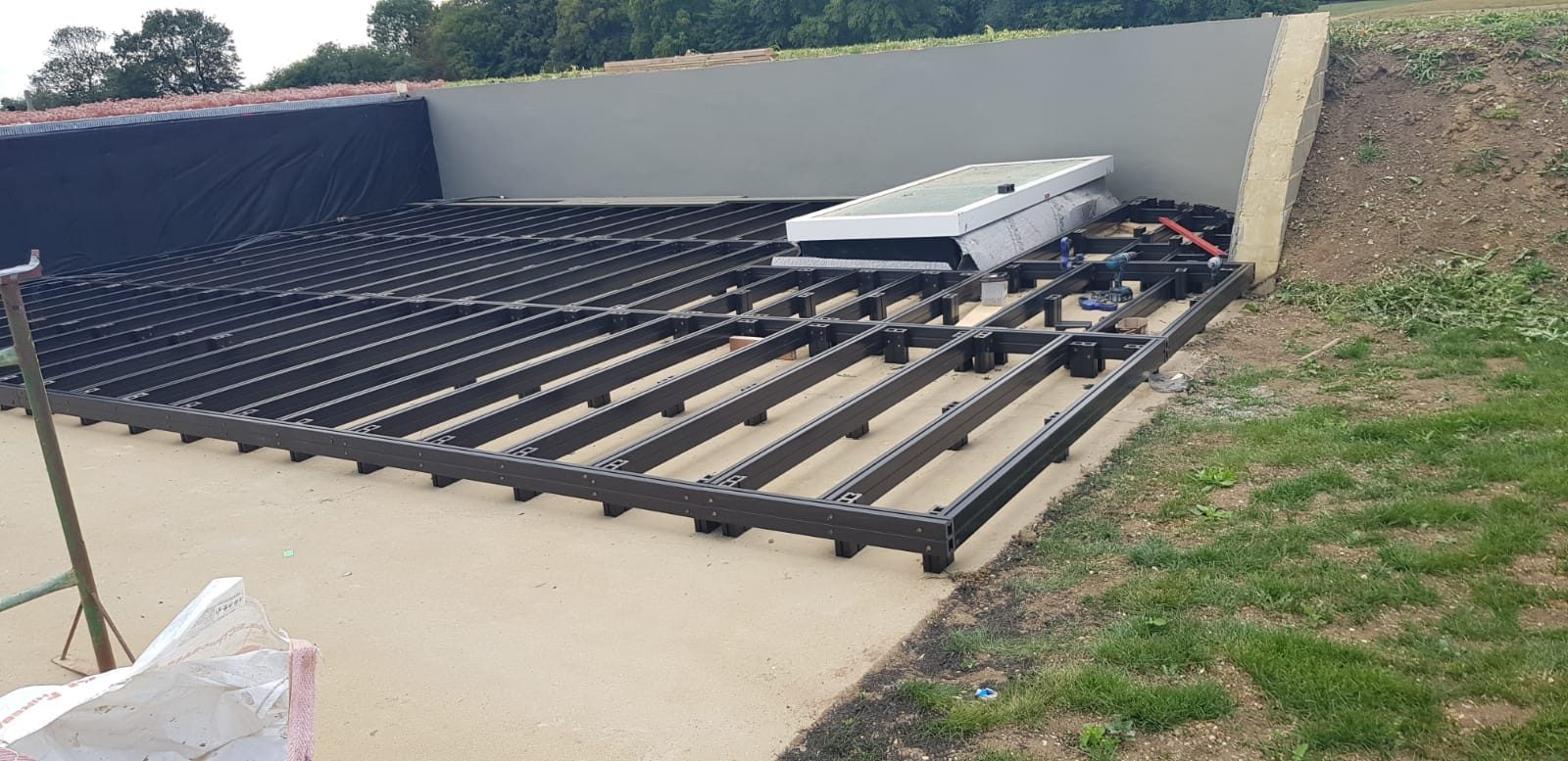
A properly framed timber deck in treated softwood is realistically fifteen to twenty years if it is kept clean and oiled, and the frame usually outlasts the boards. Composite boards typically carry a manufacturer warranty of twenty five years or more. In both cases the thing that kills a deck early is a frame that was undersized, sat on the ground or built without ventilation underneath, which is exactly why we spend the time on it.
Can you build a raised deck or one with steps?
Yes. Raised decks need posts set properly, bracing and a balustrade where the drop needs guarding, and steps need a consistent rise from top to bottom so people are not catching a toe on the odd one out. Both are regular work, and both are jobs where the setting out at the start decides whether the finished deck feels solid underfoot.
Do you do garden rooms and pergolas?
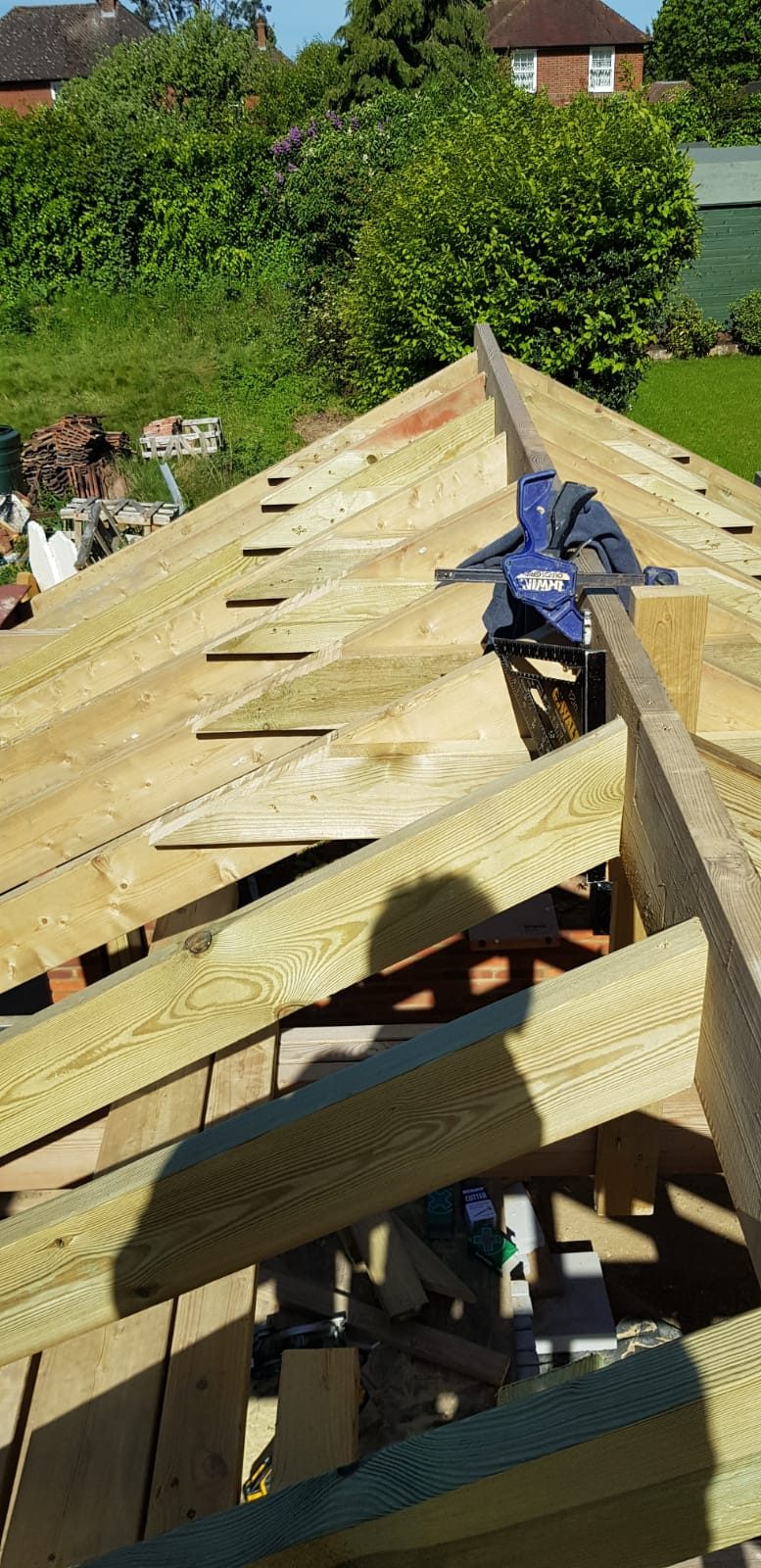
We take on the carpentry: framing, roof structures, cladding and the joinery on garden buildings, pergolas and small outbuildings. Bases, groundworks and anything needing a structural engineer are done alongside by the right trade rather than by us, and we will tell you what the job needs before you commit to it.
What time of year is best for decking?
Spring and early summer are the busiest, so that is when lead times are longest. Building in autumn or winter is perfectly possible in dry spells and often gets you a shorter wait, with the caveat that timber decks are best oiled in dry, mild weather, so a winter build may need the finish topping up in the spring. It is worth a conversation about timing when we quote.